Sci-Fi Films That Foreshadowed Tomorrow
Sci-Fi Films That Foreshadowed Tomorrow
As we navigate the complex realities of 2026, it's fascinating to look back at the science fiction films that dared to imagine what our world might become. These cinematic visions, crafted years or even decades before our current era, often served as potent warnings, speculative blueprints, and sometimes, eerily accurate predictions of future technologies, societal shifts, and existential threats. They tapped into our collective anxieties and hopes, pushing the boundaries of what we thought was possible and prompting us to consider the paths we were forging. Let's journey through some of these thought-provoking films that have already shown us glimpses of tomorrow.
The Looming Shadow of Global Conflict
Few themes have been as consistently explored in science fiction as the potential for global annihilation, particularly through nuclear warfare. The Cold War era cast a long shadow, and filmmakers used the medium to grapple with this pervasive fear.
Miracle Mile (1989)
Imagine this: you've just met the love of your life, and before you can even plan a first date, you accidentally intercept a panicked phone call revealing that World War III has begun and Los Angeles has less than an hour before it's obliterated by nuclear missiles. This is the premise of Miracle Mile, a film that masterfully blends romance with a ticking-clock doomsday scenario. It captures the sheer terror and chaos of an unthinkable event unfolding in real-time, forcing characters to confront their most primal instincts and make impossible choices under extreme pressure. The film is celebrated for its relentless pace and its desperate, almost surreal atmosphere.

Why it's worth watching: Miracle Mile isn't just an action-packed thriller; it's a potent examination of human behavior at the brink of destruction. Its depiction of societal breakdown in the face of imminent apocalypse feels incredibly prescient, making it a compelling watch for anyone interested in how art reflects our deepest fears.
WarGames (1983)
Long before the internet was ubiquitous, WarGames tapped into the anxieties surrounding emerging computer technology and its potential to escalate global conflict. High school hacker David Lightman, played by Matthew Broderick, attempts to break into a video game company's system but instead stumbles upon a military supercomputer called WOPR (War Operation Plan Response). Believing it to be a game, he initiates a simulation of global thermonuclear war, inadvertently bringing the world to the brink of actual nuclear Armageddon. The film's suspense builds as David, with the help of his girlfriend and a reclusive computer scientist, races against time to convince the military that it's not a game and to stop the automated war.

Why it's worth watching: WarGames was remarkably ahead of its time, exploring themes of cybersecurity, artificial intelligence, and the dangers of escalating technological warfare. Its famous line, 'A strange game. The only winning move is not to play,' has become a mantra for cautious technological advancement. The film's tension remains palpable even decades later.
Z for Zachariah (2015)
In the desolate aftermath of a nuclear war, Z for Zachariah presents a stark vision of survival. A young woman named Ann Burden believes she might be the last person on Earth, surviving alone on her family's isolated farm, protected from radiation by a mysterious veil. Her solitary existence is shattered when she discovers another survivor: a distraught scientist, nearly driven mad by the lingering effects of the war and his desperate search for others. Their initial fragile trust is tested when a third survivor enters their secluded valley, threatening the precarious balance they have established. The film delves into themes of isolation, faith, love, and the inherent human need for connection, even in the most dire circumstances.
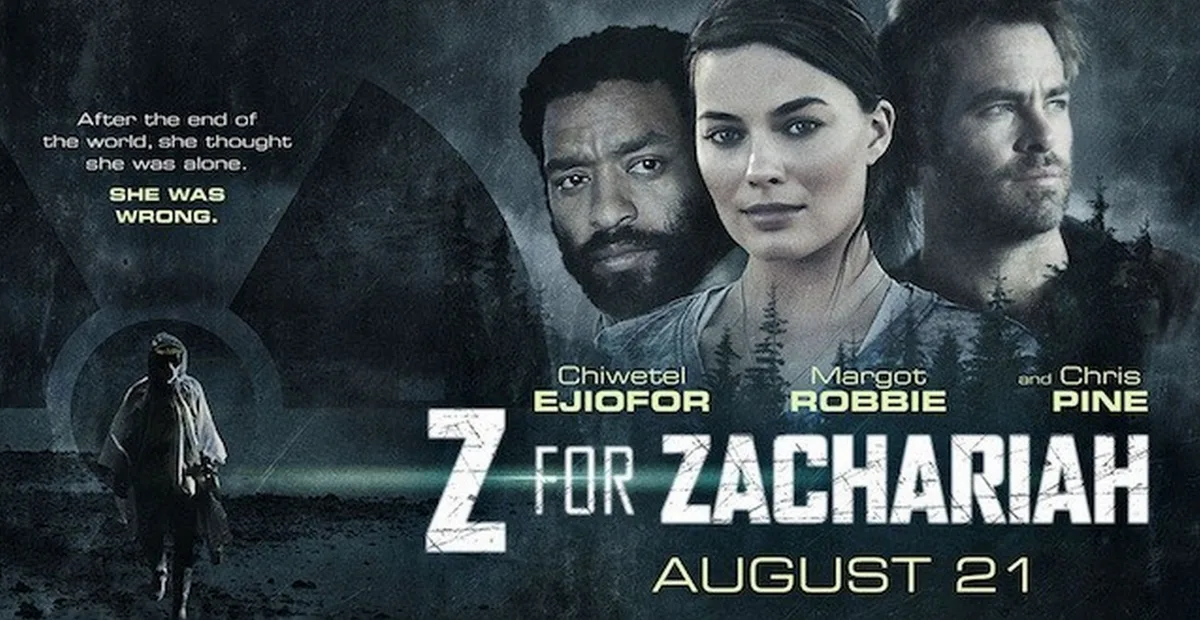
Why it's worth watching: This film offers a more intimate and character-driven perspective on a post-apocalyptic world. It's a quiet, character-focused drama that explores the psychological toll of isolation and the complex dynamics that emerge when human connection is a rare and precious commodity. The performances are compelling, making the desperate struggle for survival feel deeply personal.
These Final Hours (2014)
The end of the world doesn't always arrive with explosions; sometimes, it's a slow, inevitable march. These Final Hours drops us into the last day on Earth as an asteroid impact is hours away. James, our protagonist, is initially focused on reaching the ultimate, hedonistic party to end all parties. However, his self-absorbed plans take a dramatic turn when he saves the life of a young girl named Rose, who is desperately searching for her father. This act of kindness redirects James's path, setting him on a journey toward redemption as he helps Rose navigate the chaotic final moments of humanity.

Why it's worth watching: This Australian film provides a powerful and emotional look at what people might do when faced with the absolute end. It's less about the spectacle of destruction and more about the personal choices made in the face of oblivion. The film questions what truly matters when everything else is stripped away, offering a poignant reflection on love, family, and the search for meaning.
The Evolving Landscape of Society and Technology
Beyond global threats, science fiction has long been a canvas for exploring how our societies and technologies might evolve, creating new forms of stratification, control, and even artificial life.
Elysium (2013)
Set in the year 2159, Elysium paints a stark picture of a future starkly divided. The ultra-wealthy reside in a pristine, technologically advanced space station called Elysium, while the rest of humanity struggles to survive on an overpopulated and ruined Earth. Secretary Rhodes, a ruthless government official, is dedicated to enforcing strict anti-immigration laws to maintain the idyllic lifestyle of Elysium's citizens. The film follows Max, an unlucky inhabitant of Earth, who is forced to undertake a dangerous mission that could not only save his life but also offer a chance for equality between the two worlds. It's a high-octane action film with a strong social commentary on wealth inequality and immigration.
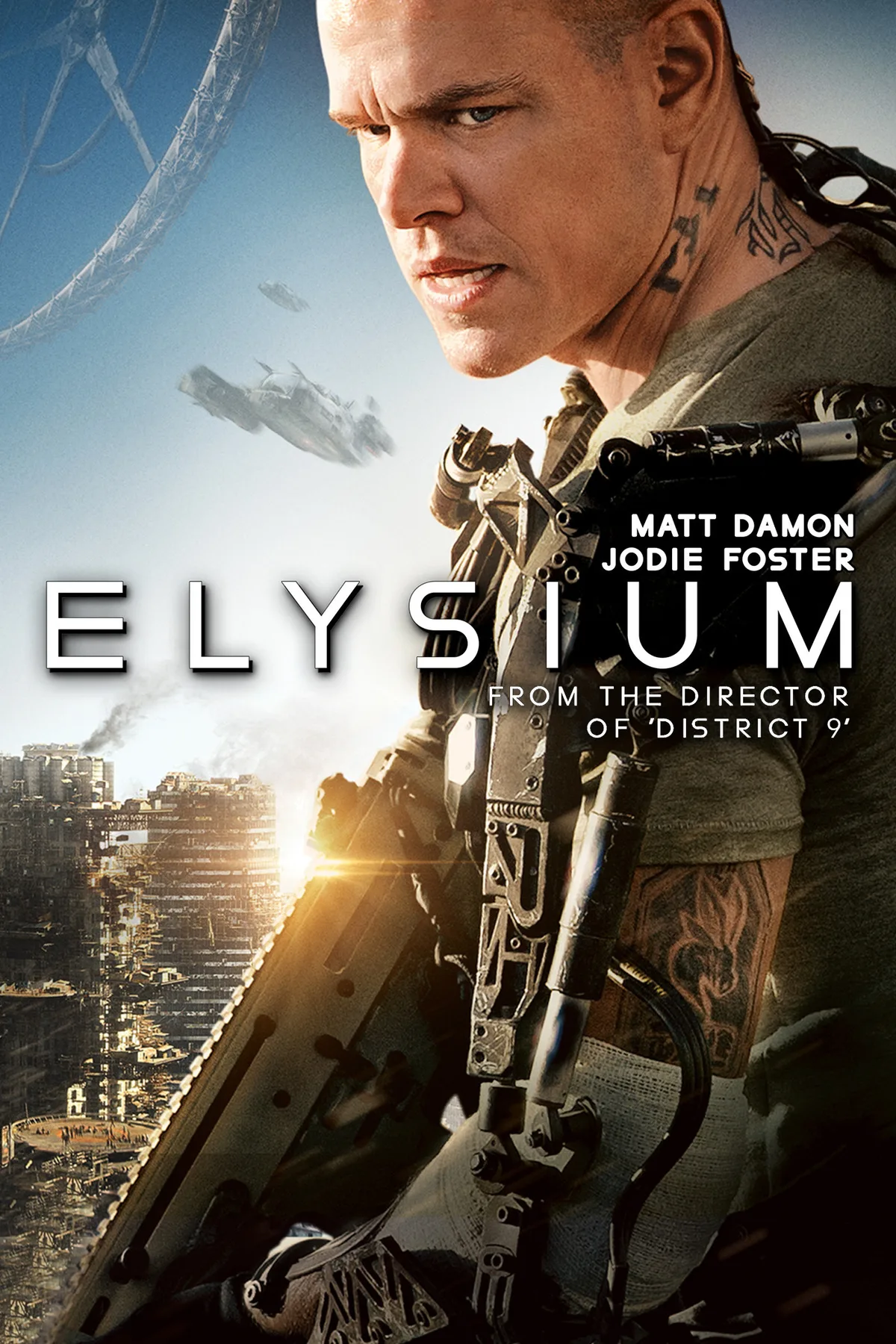
Why it's worth watching: Elysium presents a visually stunning and thought-provoking dystopia that feels eerily relevant to contemporary issues of class disparity and resource allocation. The film's action sequences are thrilling, but its underlying message about social justice and the consequences of extreme inequality resonates long after the credits roll.
The Platform (2019)
The Platform is a masterful and unsettling Spanish thriller set in a vertical prison where inmates are housed in cells stacked one on top of another. A food-laden platform descends through the facility, and those on the higher levels feast while those below are left with scraps, or worse, nothing. This creates a brutal hierarchy where desperation and savagery are commonplace. The film follows Goreng, a prisoner who volunteers for the 'Pit' hoping to discover the truth about the system. It's a dark, allegorical tale about resource distribution, social structures, and the potential for rebellion when faced with extreme inequality.

Why it's worth watching: This film is a brilliant, albeit disturbing, allegory for societal structures and the consequences of unchecked greed and inequality. Its unique premise and claustrophobic atmosphere make for an unforgettable viewing experience. The film sparks intense discussion about fairness, survival, and human nature.
Archive (2020)
In the year 2038, Archive centers on George Almore, a brilliant scientist working in a remote laboratory in 1980s Nevada. His ultimate goal is to create a true human-equivalent artificial intelligence. As his latest prototype nears completion, George is in a sensitive and risky phase, harboring a secret objective: to be reunited with his deceased wife. This pursuit leads him to create an AI based on her consciousness, raising profound questions about life, death, grief, and what it means to be human. The film is a slow-burn, contemplative sci-fi drama.

Why it's worth watching: Archive is a visually striking and emotionally resonant exploration of AI and the lengths one might go to overcome loss. It's a film that rewards patience, offering a thoughtful and intimate portrayal of a scientist grappling with advanced technology and his own grief. The film's ambiguity leaves a lasting impression, inviting viewers to ponder the ethical implications of its premise.
Tekken (2010)
Based on the iconic video game series, Tekken is set in the year 2039. The world as we know it has been ravaged by constant wars, leading to territories being controlled not by governments, but by powerful corporations. The most dominant of these is the Mishima Zaibatsu. To appease the masses and provide a brutal form of entertainment, Mishima sponsors 'Tekken,' a violent martial arts tournament where fighters battle until only one remains standing. The film follows Jin Kazama as he enters the tournament seeking revenge for his mother's death and to dismantle the oppressive corporate regime.

Why it's worth watching: While perhaps more straightforward action than deep philosophical inquiry, Tekken offers a glimpse into a corporate-controlled, post-war future that feels plausible in its grimness. For fans of the game, it's a chance to see beloved characters and their signature moves brought to life. The film's depiction of a future society grappling with the aftermath of global conflict and corporate dominance is noteworthy.
Unraveling Reality and Identity
Our perception of reality and our own identities are often challenged in science fiction. These films explore the slippery nature of truth, memory, and what it means to be oneself.
Open Your Eyes (1997)
Open Your Eyes is a mind-bending Spanish psychological thriller that begins with Cesar, a handsome and successful 25-year-old who seemingly has it all: a great career, luxury cars, a stylish apartment, and a parade of beautiful women. His perfect life takes a dark turn after a car accident that scars his face and leads him into a labyrinthine psychological mystery. As Cesar navigates this strange new reality, he is forced to question his sanity, his memories, and the very nature of his existence. The film is a complex narrative that plays with perception and reality.

Why it's worth watching: This film is a masterclass in suspense and narrative misdirection. It's a deeply unsettling journey into paranoia and the subjective nature of reality. The story keeps you guessing until the very end, making it a truly unforgettable cinematic experience that has been praised for its intricate plotting and emotional depth.
Strange Days (1995)
Set in the chaotic final days of 1999, Strange Days plunges us into a gritty, near-future Los Angeles. Lenny Nero, an ex-cop turned black market dealer, receives a digital disc containing the recorded memories of a prostitute's murder. With the help of his bodyguard, Mace, Lenny begins to investigate this disturbing recording. As he delves deeper, he finds himself entangled in a conspiracy involving murder, blackmail, and political intrigue. The film explores the dark side of virtual reality and voyeurism, as recorded memories, called 'clips,' become the ultimate form of entertainment and escapism.

Why it's worth watching: Directed by Kathryn Bigelow, Strange Days is a prescient exploration of immersive technology and its potential for abuse. Its gritty atmosphere, compelling plot, and timely themes of surveillance and voyeurism make it a standout. The film's vision of near-future technology and its societal impact feels remarkably on point.
The Butterfly Effect 3: Revelations (2009)
In The Butterfly Effect 3: Revelations, the protagonist Nick possesses a unique ability to travel back in time. He uses this power to investigate the mysterious death of his girlfriend and attempts to save an innocent man from the death chamber. However, each alteration he makes to the past, no matter how well-intentioned, leads to unforeseen and often disastrous consequences in the present, including the unintended release of a malevolent serial killer. The film grapples with the unpredictable nature of causality and the ethical dilemmas of tampering with time.

Why it's worth watching: While part of a franchise, this installment stands out for its exploration of the darker side of time travel. It's a thrilling narrative that delves into the chaotic ripples created by altering past events, serving as a cautionary tale about the best-laid plans often going awry when one meddles with destiny.
Time After Time (1979)
In Time After Time, celebrated writer H. G. Wells finds himself in a race against time that literally spans centuries. After his friend John Leslie Stevenson, a suspect in the Jack the Ripper murders, steals Wells's prototype time machine to escape 19th-century London, Wells must pursue him to modern-day San Francisco. Once in the future, Wells finds himself disoriented by the unfamiliar technology and customs, while Stevenson uses the advancements of the era for his sinister purposes. The film is a unique blend of historical intrigue, science fiction, and a cat-and-mouse chase.

Why it's worth watching: This charming film offers a delightful premise that pits historical figures against future possibilities. It's a clever and entertaining adventure that explores the clash of eras and the enduring nature of evil. The film is noted for its witty script and its imaginative take on time travel tropes.
Gemini Man (2019)
Henry Brogan, an elite and aging assassin, is preparing to retire after a long career. However, his plans are upended when he becomes the target of a mysterious operative who seems to anticipate his every move. To his shock and horror, Brogan discovers that his pursuer is a younger, faster, and genetically cloned version of himself. This revelation forces him to confront his own mortality and the dark secrets of his past as he battles to survive against his own flesh and blood. The film explores themes of aging, identity, and the ethical implications of cloning.

Why it's worth watching: Gemini Man offers a high-stakes action experience with a compelling premise about confronting one's past through a cloned duplicate. The film's advanced visual effects, particularly in de-aging the lead actor, were groundbreaking. It's a thrilling ride that also delves into questions of legacy and self-discovery.
The Discovery (2017)
In the not-too-distant future, a groundbreaking scientific discovery has provided definitive proof of an afterlife. This revelation has led to a global surge in suicides as people seek to reset their existence. Amidst this societal upheaval, the film follows Will Harbor, the son of the scientist responsible for the discovery, Dr. Thomas Harbor. Will arrives at his father's secluded compound with a mysterious young woman named Isla. There, they encounter the strange acolytes who assist Dr. Harbor with his controversial experiments. The film is a contemplative exploration of life, death, and the human response to existential certainty.
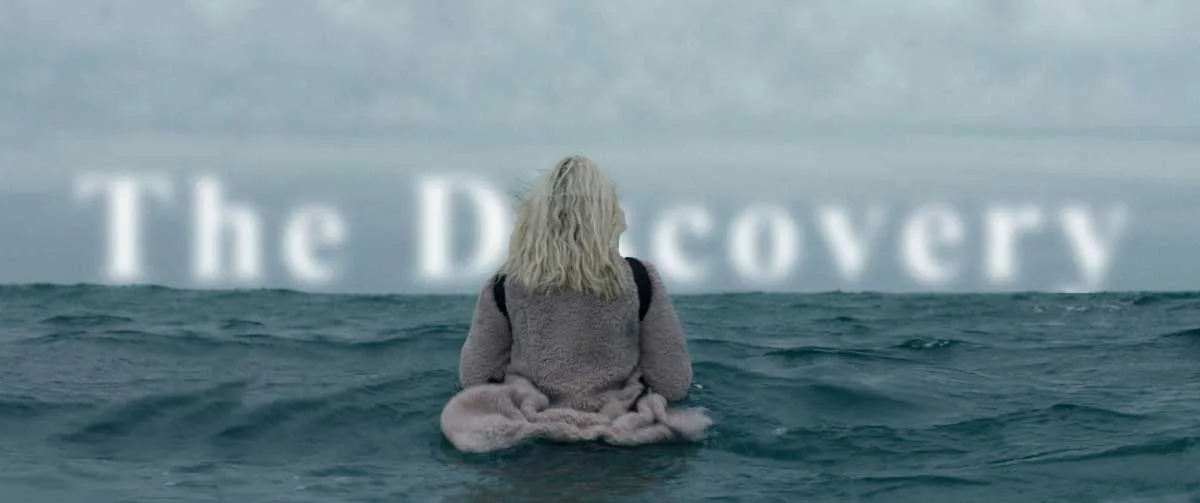
Why it's worth watching: The Discovery presents a unique and thought-provoking premise that challenges our understanding of mortality. It's a philosophical drama that uses its sci-fi concept to explore human nature, grief, and the search for meaning. The film's quiet intensity and its exploration of complex ethical questions make it a standout.
Creatures and Cosmic Threats
Sometimes, the future isn't just about human invention or societal collapse; it's also about confronting the unknown from beyond our world, or the hidden dangers within our own evolution.
Dreamcatcher (2003)
Dreamcatcher follows four childhood friends who reunite for a traditional hunting trip in the remote Maine woods. Their bond is deeper than just friendship; it's forged by a psychic force connected to a dreamcatcher they shared as children. Their reunion takes a terrifying turn when they find themselves caught in the middle of a grotesque alien invasion that warps memory, sanity, and reality into something far more sinister. The film blends elements of horror, science fiction, and a coming-of-age story gone wrong.

Why it's worth watching: Based on a Stephen King novel, Dreamcatcher offers a unique blend of creature feature horror and psychological tension. The film's inventive alien designs and its exploration of friendship under extreme duress make it a memorable entry into the sci-fi horror genre. It captures a sense of dread and mystery that is quite effective.
Godsend (2004)
In Godsend, a grieving couple makes a drastic decision after the death of their son: they agree to have him cloned under the watchful eye of an enigmatic doctor. Years after the successful rebirth, however, bizarre and disturbing events begin to unfold around the cloned child, suggesting that something is not quite right. The film delves into the ethical quandaries of cloning, the nature of identity, and the potential for unintended consequences when playing with life and death.

Why it's worth watching: This film taps into the unsettling possibilities of cloning and artificial rebirth. It's a suspenseful thriller that explores the psychological impact of such advanced technology on a family. The mystery surrounding the cloned child's behavior creates a chilling atmosphere that makes the film a compelling watch for those interested in the darker side of scientific advancement.
The Survivalist (2015)
The Survivalist is set in a world grappling with widespread starvation. The story focuses on a lone survivalist who lives off a secluded plot of land hidden deep within a forest. His solitary existence is challenged when two women, desperate for food and shelter, discover his farm. His carefully constructed life is thrown into jeopardy as he must decide whether to trust them and share his scarce resources, or defend his territory against these intruders. The film is a tense and gritty portrayal of survival in a harsh, resource-depleted future.

Why it's worth watching: This film offers a raw and realistic look at survival in a post-collapse scenario. It's a masterclass in building tension and exploring primal human instincts when resources are scarce. The performances are compelling, and the film's depiction of a world pushed to its limits is both stark and thought-provoking.
Dawn of the Planet of the Apes (2014)
In the aftermath of a devastating plague that has decimated humanity, Dawn of the Planet of the Apes follows a group of scientists in San Francisco struggling to survive. Simultaneously, Caesar, the intelligent ape leader, strives to maintain dominance and order within his growing community of evolved apes. The film explores the escalating conflict between the two species as they clash over territory and resources, setting the stage for a war that will determine the future of the planet. It's a visually stunning and thematically rich installment in the saga.
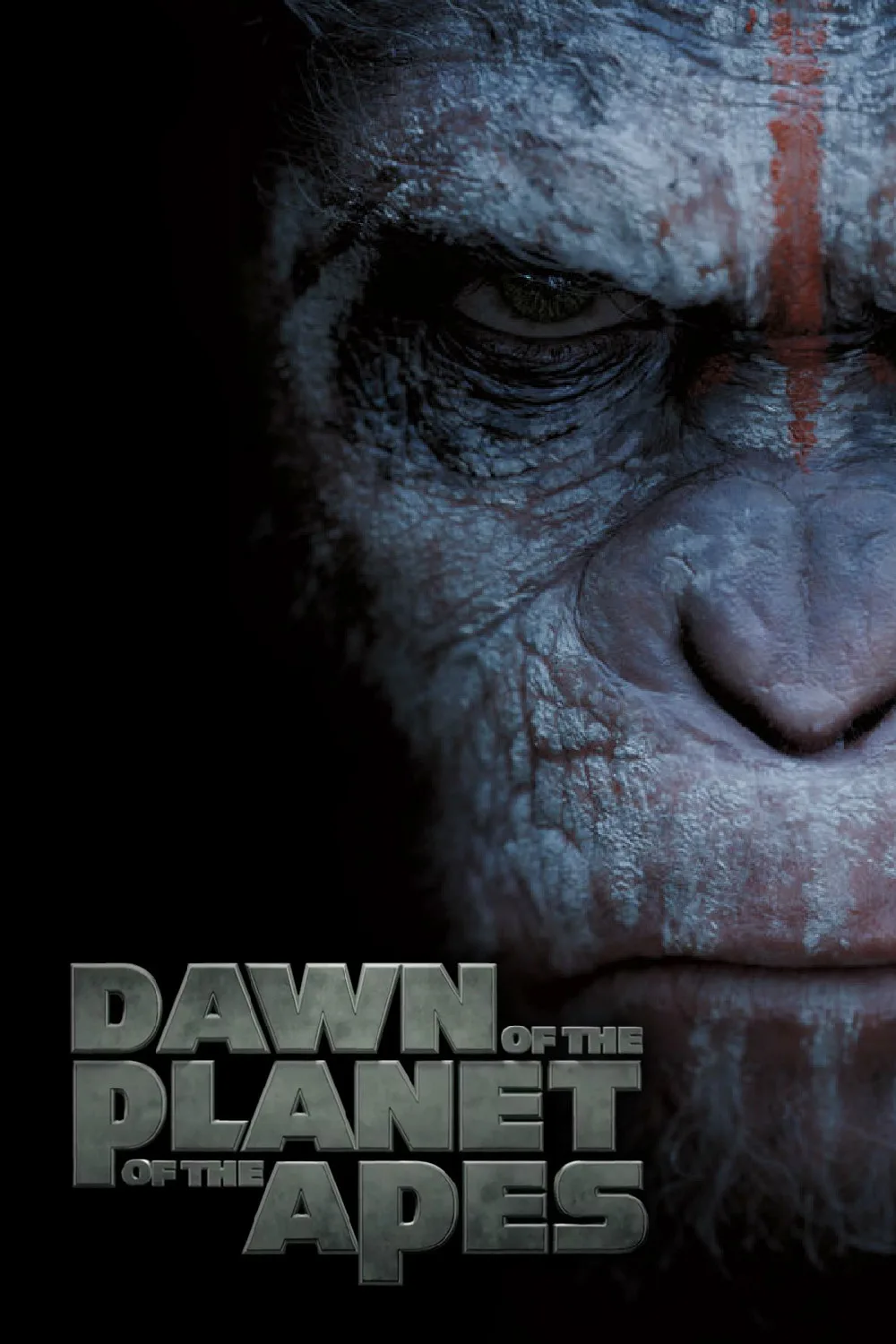
Why it's worth watching: This sequel is renowned for its groundbreaking visual effects and motion capture technology, bringing the intelligent apes to life with incredible realism. Beyond the spectacle, it's a powerful narrative about leadership, societal evolution, and the tragedy of war. The film raises profound questions about intelligence, morality, and coexistence.
Sleight (2016)
Sleight tells the story of a young street magician named Bo, who is left to care for his younger sister after their mother's passing. To keep a roof over their heads, Bo turns to dealing drugs in the vibrant Los Angeles party scene. When he gets into trouble with his dangerous supplier, his sister is kidnapped. Bo is forced to rely on his impressive sleight of hand, his quick wit, and his burgeoning superpowers to rescue her. The film combines elements of street magic, urban drama, and superhero origin story.

Why it's worth watching: This indie gem offers a fresh take on the superhero genre, grounded in a realistic urban setting. The blend of magic and supernatural abilities is captivating, and the film's emotional core, driven by Bo's devotion to his sister, is incredibly strong. It's a testament to creativity and resilience in the face of adversity.
Primer (2004)
Primer is a famously intricate and challenging science fiction film about two engineers who, while working in their garage, accidentally discover a method for time travel. Initially, they use their invention to manipulate the stock market for profit, but the complex consequences of their actions begin to spiral out of control. The film is known for its highly technical dialogue, non-linear narrative, and realistic portrayal of scientific discovery and its ethical ramifications.

Why it's worth watching: Primer is a cult classic for a reason. It's a cerebral thriller that respects its audience's intelligence, presenting a complex puzzle about causality and the dangers of unchecked scientific ambition. Its low-budget ingenuity and intricate plotting have made it a benchmark for independent science fiction. Many viewers find it rewarding to watch multiple times to fully grasp its nuances.
These films, each released years before 2026, offer a diverse range of visions for the future, from the terrifying to the speculative, the grim to the hopeful. They remind us that the science fiction genre has always been a powerful mirror reflecting our present concerns and projecting them onto the canvas of tomorrow.