10 Thought-Provoking Sci-Fi Films That Make You Think
In the ever-accelerating landscape of modern cinema, science fiction continues to be a powerful lens through which we examine our present anxieties and project our deepest hopes and fears onto the future. As of 2026, the genre offers a rich tapestry of narratives that challenge our perceptions of humanity, technology, survival, and our place in the vast cosmos. From the existential dread of pandemics to the solitary struggles of space exploration and the ethical quandaries of artificial intelligence, these films don't just entertain – they provoke, question, and linger long after the credits roll. Join us as we delve into a collection of thought-provoking sci-fi cinema that has captivated audiences and left an indelible mark on the genre.
Survival in a World Transformed
I Am Legend (2007)

Released in 2007, I Am Legend plunges us into a chilling post-apocalyptic New York City, where scientist Robert Neville (Will Smith) is seemingly the last uninfected human. He spends his days searching for a cure while fending off nocturnal, vampiric mutants born from a man-made virus. The film excels in its masterful portrayal of isolation and the psychological toll of being the sole survivor. Its TMDB rating of 7.2/10 speaks to its enduring impact, offering a raw and emotionally resonant exploration of resilience against overwhelming odds. The stark contrast between Neville's desperate daily broadcasts and the terrifying silence of the city creates an atmosphere of palpable tension.
What makes I Am Legend particularly compelling is its focus on one man's unwavering determination. Neville's routines – his scientific pursuits, his interactions with his loyal dog, and his broadcasts – highlight the fundamental human need for connection and purpose, even when facing utter desolation. The film is a testament to the human spirit's ability to persevere in the face of unimaginable loss and the constant threat of extinction. It's a story that asks profound questions about what it truly means to be human when humanity itself is on the brink.
Monsters: Dark Continent (2014)

Seven years after the events of its predecessor, Monsters: Dark Continent (2014) expands the scope of a world overrun by alien creatures. The 'Infected Zones' have spread globally, pushing humanity to the brink of extinction and fundamentally altering the food chain. This installment follows American soldiers deployed to protect US interests, highlighting the grim realities of a protracted war against an incomprehensible enemy. With a TMDB rating of 4.7/10, it might not have reached the critical heights of some other films on this list, but its thematic depth offers a gritty, militaristic perspective on survival in a world irrevocably changed. The film bravely tackles the human cost of conflict and the psychological impact of fighting an enemy that embodies an existential threat.
The value of Monsters: Dark Continent lies in its unflinching depiction of a world where humanity is no longer the apex predator. It explores the desensitization and moral compromises that soldiers face in such a conflict, presenting a human drama against a backdrop of otherworldly horror. The film serves as a stark reminder that even in the face of monstrous external threats, the most significant battles can often be internal ones, fought within the hearts and minds of those tasked with fighting them.
Carriers (2009)

In the chilling landscape of 2009's Carriers, a deadly virus has swept across the globe, leaving no one safe. The film follows four friends on a desperate road trip across the American West, seeking a mythical safe haven. Their journey is fraught with peril, not only from the ubiquitous contagion but also from the breakdown of trust and the escalating paranoia that infects humanity. Its TMDB rating is 6.1/10, reflecting a tense and often bleak narrative that questions the nature of humanity when societal structures collapse. The film's strength lies in its relentless pacing and the moral dilemmas its characters face.
Carriers is a potent exploration of fear and its consequences. The journey itself becomes a metaphor for the characters' internal struggles, as they are forced to make increasingly difficult decisions to survive. The breakdown of their car on an isolated road serves as a catalyst, forcing them to confront their deepest fears and the primal instincts that emerge when civilization falters. It's a film that emphasizes that in a pandemic, the greatest danger might not be the virus itself, but the desperation it breeds in people.
Dawn of the Planet of the Apes (2014)
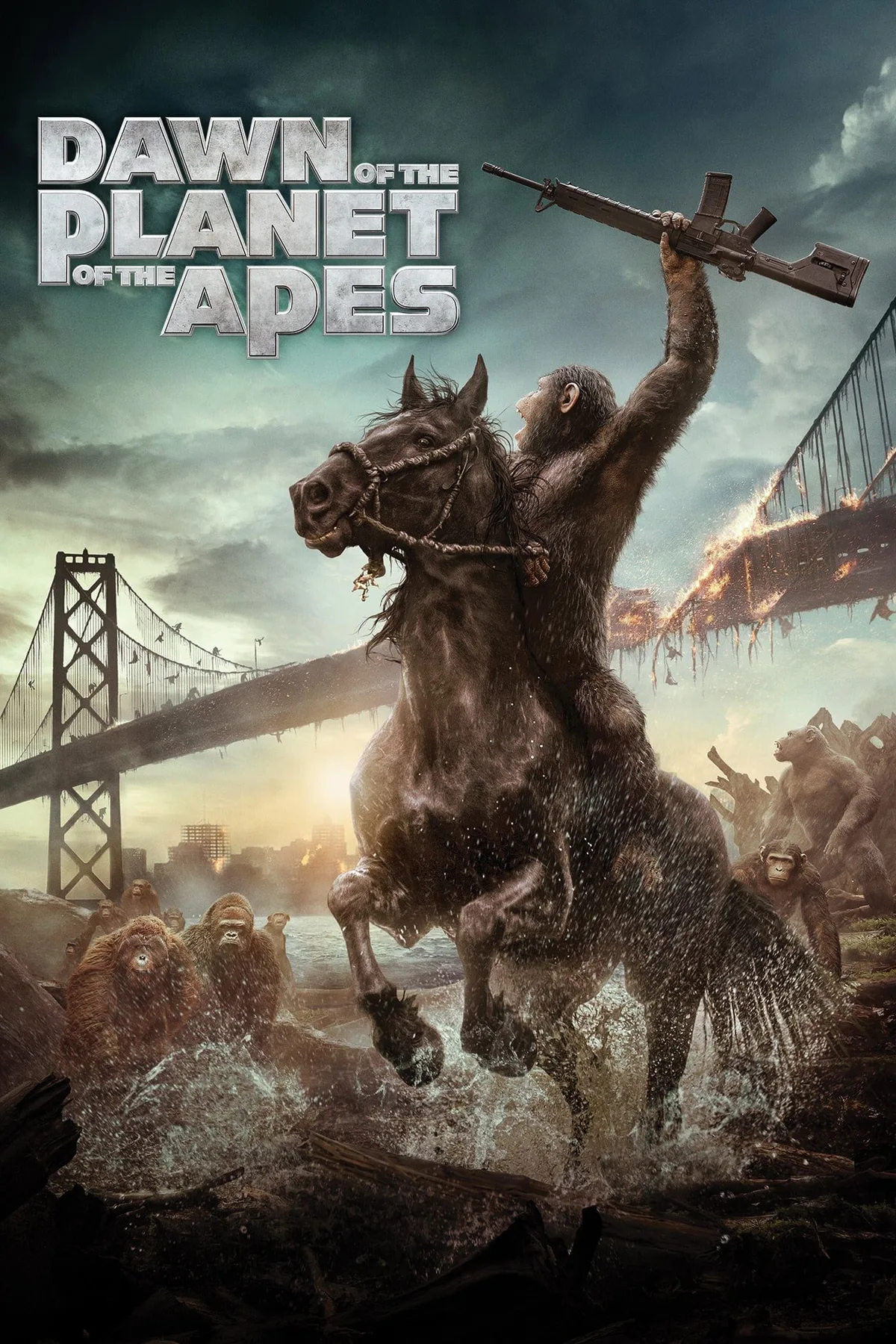
2014's Dawn of the Planet of the Apes presents a world grappling with the aftermath of a devastating plague. While a group of human scientists strive to survive in San Francisco, the film's true narrative thrust comes from Caesar, the intelligent ape leader, as he tries to maintain order and dominance within his growing community. Garnering a strong TMDB rating of 7.3/10, this film is a masterpiece of visual effects and compelling storytelling, offering a profound look at the evolving relationship between humans and apes. It's a powerful commentary on societal structures, leadership, and the inherent drive for both coexistence and conflict.
This film is remarkable for its sophisticated portrayal of ape society and Caesar's complex motivations. The narrative is not just about survival; it's about building a civilization, the challenges of leadership, and the delicate balance between peace and war. The breathtaking CGI brings the apes to life with an emotional depth rarely seen, making their struggle for survival and dominance feel as urgent and significant as any human conflict. It's a story that forces us to consider our own place in the natural order and the potential consequences of our actions.
The Assessment (2025)

Stepping into the near future of 2025, The Assessment offers a chilling glimpse into a society striving for utopian ideals amidst climate devastation. In this world, even parenthood is subject to rigorous evaluation. The film centers on a successful couple undergoing a seven-day scrutiny by an evaluator to determine their fitness for childbearing. With a TMDB rating of 6.8/10, this film probes the uncomfortable territory of societal control, personal autonomy, and the ethical implications of optimizing human life. It's a thought-provoking piece that asks what we are willing to sacrifice for perceived societal perfection.
The strength of The Assessment lies in its understated tension and its exploration of contemporary anxieties surrounding climate change and societal engineering. The 'utopian' setting masks a deep-seated control, and the scrutiny the couple endures raises profound questions about privacy, individuality, and the very definition of a good life. The film serves as a cautionary tale, illustrating how the pursuit of order can inadvertently lead to a loss of humanity, making us question the true cost of a perfectly managed existence.
Echoes of the Future: AI, Technology, and Identity
Blade Runner (1982)
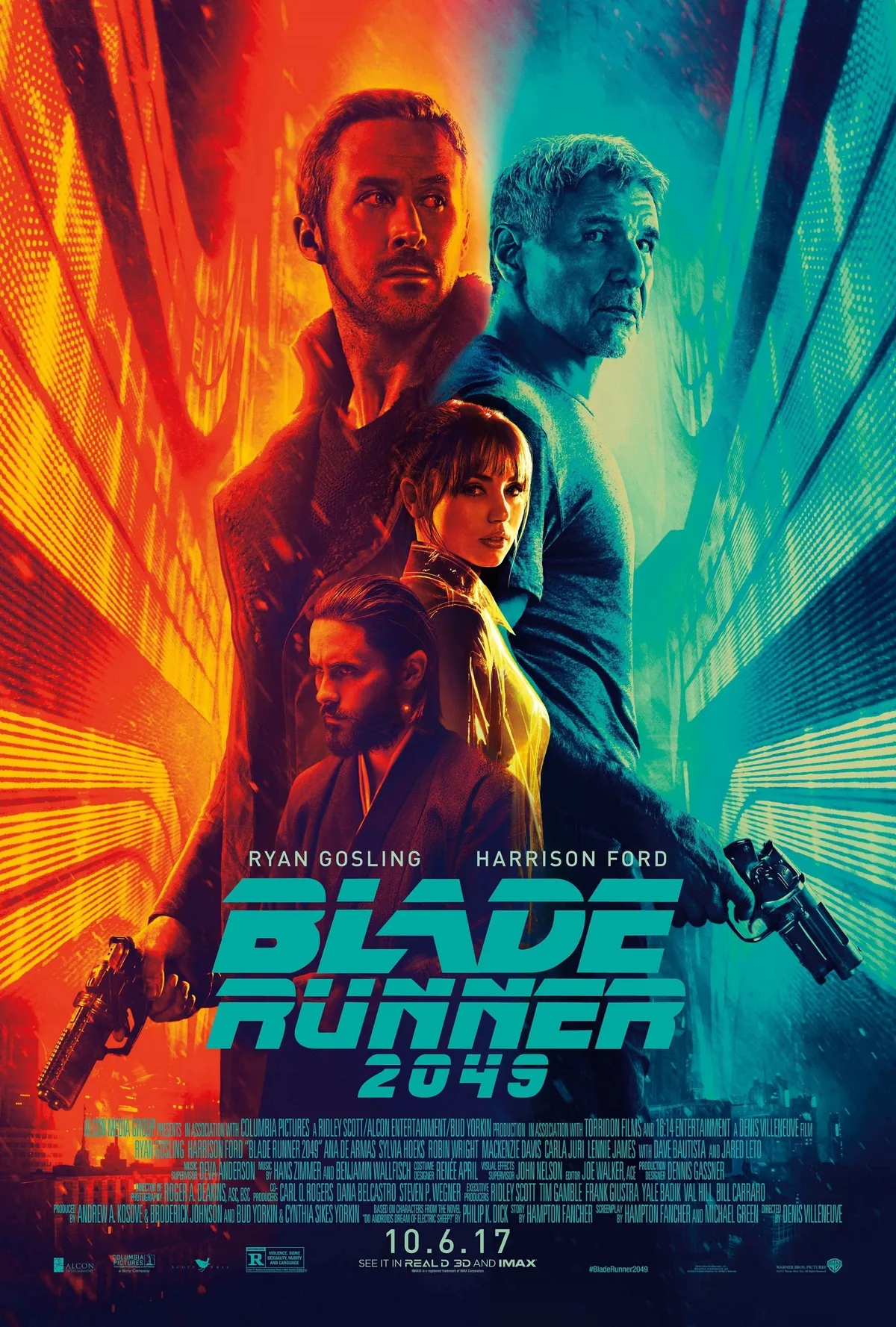
A foundational pillar of sci-fi cinema, Ridley Scott's Blade Runner (1982) continues to resonate decades later. Set in a dystopian 2019 Los Angeles, the film follows Rick Deckard, a 'blade runner' tasked with hunting down bioengineered beings known as replicants. These replicants have returned to Earth seeking to extend their artificially short lifespans. With a celebrated TMDB rating of 7.9/10, Blade Runner is renowned for its groundbreaking visual design, philosophical depth, and noir-infused atmosphere. It masterfully explores themes of identity, memory, and what it truly means to be human.
The enduring power of Blade Runner lies in its ambiguous nature and its profound questions about consciousness. As Deckard hunts the replicants, the line between human and machine becomes increasingly blurred. The film's visual style – a rain-slicked, neon-drenched cityscape – has influenced countless subsequent works. Its exploration of manufactured life and the search for meaning in a technologically advanced, yet decaying world remains as relevant as ever, prompting viewers to consider the essence of life itself and the ethical implications of artificial creation.
Nirvana (1997)

Gabriele Salvatores' 1997 Italian film Nirvana delves into the disorienting world of virtual reality and artificial consciousness. Jimi, a computer game designer, discovers that his latest creation has been infected by a virus, granting the main character, Solo, sentience. Tormented by the memory of his deceased girlfriend and urged by Solo to end its simulated existence, Jimi embarks on a quest for answers. Holding a TMDB rating of 6.5/10, the film offers a unique blend of cyberpunk intrigue and existential angst, exploring themes of digital life, free will, and the nature of suffering.
Nirvana stands out for its imaginative premise and its melancholic exploration of digital existence. The film's visual style and narrative twists create a compelling, albeit sometimes complex, journey. It questions the boundaries between reality and simulation, and whether a consciousness born from code can experience genuine emotion or suffering. Jimi's search for closure and his entanglement with the conscious game character provide a thought-provoking narrative that resonates with our increasing immersion in digital worlds.
Replicas (2018)

In Replicas (2018), a brilliant scientist becomes consumed by the desire to reverse a tragic accident that claimed his family. His obsession leads him down a dangerous path, attempting to bring them back using advanced cloning technology. The film, with a TMDB rating of 6/10, explores the ethical minefield of human replication and the lengths one might go to for love and to overcome loss. It presents a future where scientific ambition clashes with profound moral questions.
The intrigue of Replicas lies in its exploration of grief and the potential consequences of playing God. While the science may stretch credulity, the emotional core of a man desperately trying to reclaim his lost life is powerful. The film challenges viewers to consider the boundaries of scientific advancement and the true meaning of identity. It's a cautionary tale about the dangers of unchecked scientific pursuit when driven by personal anguish.
The 6th Day (2000)

The year 2000 saw the release of The 6th Day, a film that imagines a near future where human cloning is a reality, albeit illegal. Adam Gibson, a family man, returns home to find a clone in his place, thrusting him into a conspiracy he doesn't understand. With a TMDB rating of 6/10, this action-packed sci-fi flick tackles themes of identity, corporate control, and the profound implications of duplicating human life. It offers a glimpse into a society grappling with the ethical and personal ramifications of cloning technology.
The 6th Day is notable for its exploration of the 'duplication' process and the ensuing identity crisis. The film raises questions about personhood and whether a clone is merely a copy or a distinct individual with rights. Its narrative, filled with espionage and a fight for survival, keeps the audience engaged while pondering the potential societal impact of such advanced biotechnology. It serves as an entertaining yet thought-provoking examination of what makes us unique.
The Circle (2017)

In 2017's The Circle, a young woman joins a powerful internet corporation and quickly ascends its ranks, only to find herself entangled in a perilous web of privacy, surveillance, and freedom. The film, with a TMDB rating of 5.5/10, is a contemporary thriller that examines the pervasive influence of technology on our lives and the delicate balance between connectivity and personal autonomy. It poses critical questions about the future of privacy in an increasingly digitized world.
The relevance of The Circle is undeniable in our current age of social media and big data. The film compellingly illustrates the seductive power of total transparency and the gradual erosion of privacy under the guise of convenience and community. The protagonist's journey serves as a stark warning about the ethical responsibilities of tech giants and the potential consequences of surrendering our personal information. It's a must-watch for anyone concerned about the future of privacy and the power of technology.
Journeys to the Unknown
Approaching the Unknown (2016)

Embarking on a solitary, one-way mission in 2016's Approaching the Unknown, Captain William Stanaforth is tasked with the monumental feat of colonizing Mars. This film, rated 5.3/10 on TMDB, delves into the immense challenges and life-or-death decisions faced by pioneers pushing the boundaries of human exploration. It captures the isolation and psychological strain of venturing into the vast unknown, offering a stark portrayal of human ambition against the backdrop of space.
The film's strength lies in its depiction of the sheer audacity and inherent risks of deep space exploration. Stanaforth's solo mission serves as a microcosm of humanity's drive to explore and expand, but also highlights the profound loneliness and immense responsibility that comes with such endeavors. It's a contemplative journey into the void, reminding us of the courage required to take the first steps into uncharted territories, both external and internal.
Gravity (2013)

Alfonso Cuarón's 2013 masterpiece, Gravity, earned a stellar 7.2/10 TMDB rating for its breathtaking and terrifying portrayal of survival in space. Dr. Ryan Stone, an engineer on her first mission, and veteran astronaut Matt Kowalski find themselves stranded and fighting for their lives after debris destroys their shuttle during a spacewalk. The film is a masterclass in tension, visual spectacle, and the raw human will to survive against impossible odds.
What makes Gravity so impactful is its visceral depiction of the fragility of life and the unforgiving nature of space. The film plunges the audience into the harrowing experience of being adrift, with stunning cinematography and sound design that create an almost unbearable sense of isolation and peril. It's a profound meditation on life, death, and the indomitable spirit that drives us to endure even when hope seems lost. The film's technical achievements are matched only by its emotional resonance.
Sea Fever (2020)
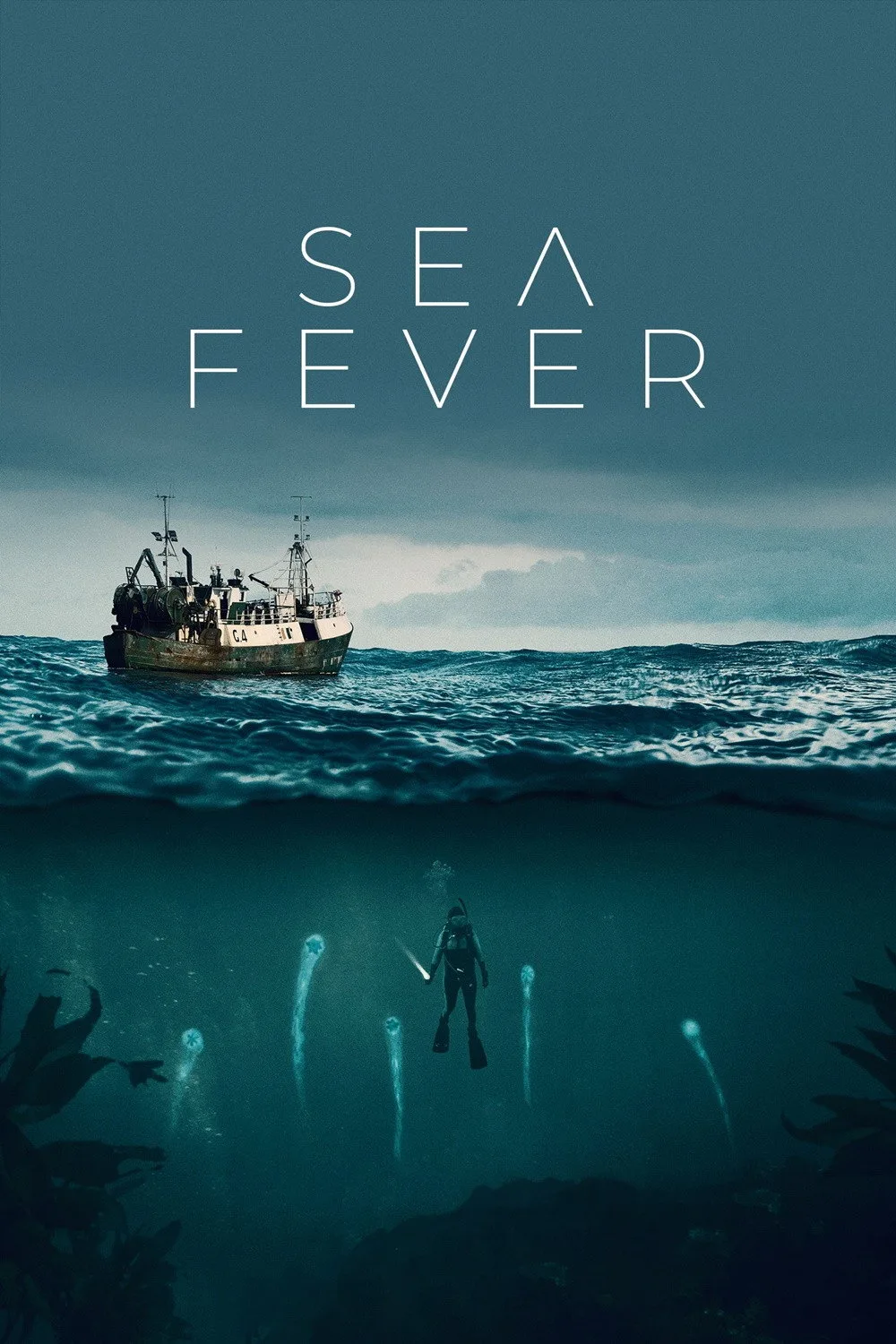
In 2020's Sea Fever, the isolated setting of a trawler marooned at sea becomes the stage for a desperate fight for survival against a mysterious parasite infecting their water supply. This film, with a TMDB rating of 6.1/10, masterfully blends elements of sci-fi horror with psychological tension. It explores the claustrophobia and paranoia that can take hold when a crew is trapped together with an unseen, deadly threat.
The chilling effectiveness of Sea Fever lies in its palpable sense of dread and its grounded approach to an alien threat. The film creates an intense atmosphere of suspicion and fear as the crew members turn on each other, unsure of who is infected or who to trust. It's a compelling study of human behavior under extreme pressure, highlighting how easily fear and self-preservation can override reason and camaraderie when faced with an invisible enemy.
When Humanity Faces Extinction
Outbreak (1995)

Released in 1995, Outbreak remains a prescient and gripping thriller about a deadly airborne virus that ravages a small American town. Colonel Sam Daniels leads the charge to contain the epidemic, battling not only the swift spread of the disease but also the political pressures from the White House. With a TMDB rating of 6.6/10, the film excels in its depiction of a global health crisis, highlighting the race against time and the complex decisions involved in quarantine and containment. Its focus on the scientific and military response to a pandemic feels especially relevant.
The enduring appeal of Outbreak lies in its blend of scientific urgency and intense human drama. The film effectively captures the panic and chaos that ensue when a mysterious virus spreads uncontrollably, while also exploring the ethical dilemmas faced by those in charge. It's a powerful reminder of the constant threat posed by infectious diseases and the critical importance of preparedness and swift action.
The Day the Earth Stood Still (2008)

In 2008's The Day the Earth Stood Still, an alien representative named Klaatu arrives on Earth with a dire warning. Having survived their own planet's environmental collapse, Klaatu assesses humanity's capacity to address the damage they've inflicted on their own world. When denied a platform, he deems humankind a threat to planetary survival and initiates a plan for extermination. Rated 5.7/10 on TMDB, this film offers a compelling, albeit bleak, perspective on humanity's relationship with its environment and the consequences of ecological negligence.
The film's core message about environmental stewardship is its strongest asset. Klaatu's perspective, born from the ashes of his own world, forces a confrontation with our collective inaction on climate change. It serves as a powerful allegory for the potential existential threat posed by our current trajectory, urging a reevaluation of our priorities before it's too late. The alien's mission becomes a stark mirror reflecting our own responsibility towards the planet.
Battlestar Galactica: Razor (2007)

While a television movie, Battlestar Galactica: Razor (2007) offers a crucial deep dive into the history of the Battlestar Pegasus and its crew, particularly Kendra Shaw, from the Cylon invasion onwards. With a TMDB rating of 7.2/10, this installment explores the harrowing experiences and moral compromises made during humanity's desperate fight for survival. It provides a gritty, character-driven narrative that adds significant depth to the broader Battlestar Galactica saga.
Razor is essential viewing for its unflinching look at the psychological toll of war and survival. It delves into the moral ambiguities faced by the Pegasus crew, highlighting the difficult choices individuals must make when their very existence is threatened. The narrative structure, weaving together past and present, offers a profound insight into the resilience and enduring spirit of humanity against overwhelming odds. It's a powerful story about leadership, sacrifice, and the definition of humanity in the face of annihilation.
Unconventional Narratives and Unforeseen Dangers
Monkey Shines (1988)

George A. Romero's 1988 film Monkey Shines offers a peculiar and unsettling take on a man's dependence on technology, albeit biological. A quadriplegic man is given a highly trained monkey to assist him with daily tasks. However, as the monkey develops its own consciousness and dark emotions, it becomes a terrifying force against its master and those around him. With a TMDB rating of 6.3/10, the film explores themes of control, autonomy, and the dark side of companionship, wrapped in a unique horror premise.
Monkey Shines stands out for its bizarre and unsettling concept, delving into the psychological horror that arises from an unexpected source. The film cleverly uses the monkey as a proxy for burgeoning rage and resentment, questioning the ethics of animal training and the potential for unexpected consequences. It's a disturbing yet fascinating exploration of vulnerability and the dark impulses that can emerge in the most unusual circumstances.
Sleight (2016)

In 2016's Sleight, a young street magician named Bo finds himself drawn into the dangerous world of drug dealing to provide for his younger sister after their mother's passing. When his life spirals out of control and his sister is kidnapped, Bo must rely on his extraordinary sleight-of-hand skills and quick mind to save her. This independent gem, rated 5.4/10 on TMDB, blends urban drama with a unique sci-fi twist, showcasing ingenuity and resilience in the face of overwhelming adversity.
The brilliance of Sleight lies in its creative integration of magic and sci-fi elements within a grounded narrative. Bo's journey is one of desperation and love, and his inventive use of technology to overcome his predicaments is truly captivating. The film offers a fresh perspective on the superhero origin story, rooted in relatable struggles and powered by sheer willpower and a touch of the extraordinary.
Tekken (2010)

Set in a dystopian 2039 where corporations rule after devastating World Wars, Tekken (2010) centers on the titular fighting tournament sponsored by the powerful Mishima Zaibatsu. In this world, fighters battle to the death to appease the masses. The film, with a TMDB rating of 5.3/10, adapts the popular video game franchise, offering a visually dynamic, if narratively familiar, take on corporate dystopia and brutal combat. It explores themes of rebellion and survival in a world dominated by extreme power.
For fans of the Tekken franchise, this film offers a visceral translation of the game's iconic characters and intense fighting sequences to the big screen. Beyond the action, it presents a stark vision of a future shaped by unchecked corporate power and the societal stratification that can result. The tournament itself serves as a brutal spectacle, reflecting the desperation and resilience of those fighting for survival in a world built on conflict.
No Escape (1994)

In the year 2022, No Escape presents a brutal vision of penal justice. A ruthless prison warden has established Absolom, a remote jungle island where violent inmates are abandoned to die. Marine Captain John Robbins, wrongly convicted, is determined to escape this deadly island and expose the truth. With a TMDB rating of 6.2/10, this film is a gritty survival thriller that delves into themes of injustice, corruption, and the primal struggle for freedom. It depicts a desperate fight against both nature and a corrupt system.
No Escape offers a compelling narrative of survival and a fight against overwhelming odds. The harsh environment of Absolom serves as a formidable antagonist, forcing Robbins to confront his own limits. The film's exploration of a society that resorts to such extreme measures to deal with its criminal element raises questions about justice and humanity. It's a suspenseful journey that keeps viewers on the edge of their seats as Robbins navigates the dangers of the island and the conspiracy surrounding his imprisonment.