7 Essential Neo-Noir Films for a Gritty Cinematic Experience
In the sprawling landscape of cinema, few genres offer the intoxicating blend of mystery, moral ambiguity, and dark allure quite like neo-noir. This is a genre that plunges into the heart of corruption, where anti-heroes navigate treacherous paths and every shadow might conceal a killer. As we find ourselves in 2026, the allure of these gritty narratives remains as potent as ever. We've sifted through the cinematic archives to bring you a curated list of essential neo-noir films that promise to keep you on the edge of your seat, questioning motives and celebrating the enduring power of a well-crafted mystery. Prepare to be drawn into worlds where the lines between good and evil are blurred, and the truth is a dangerous commodity.
The Classics That Shaped the Genre
Chinatown (1974)
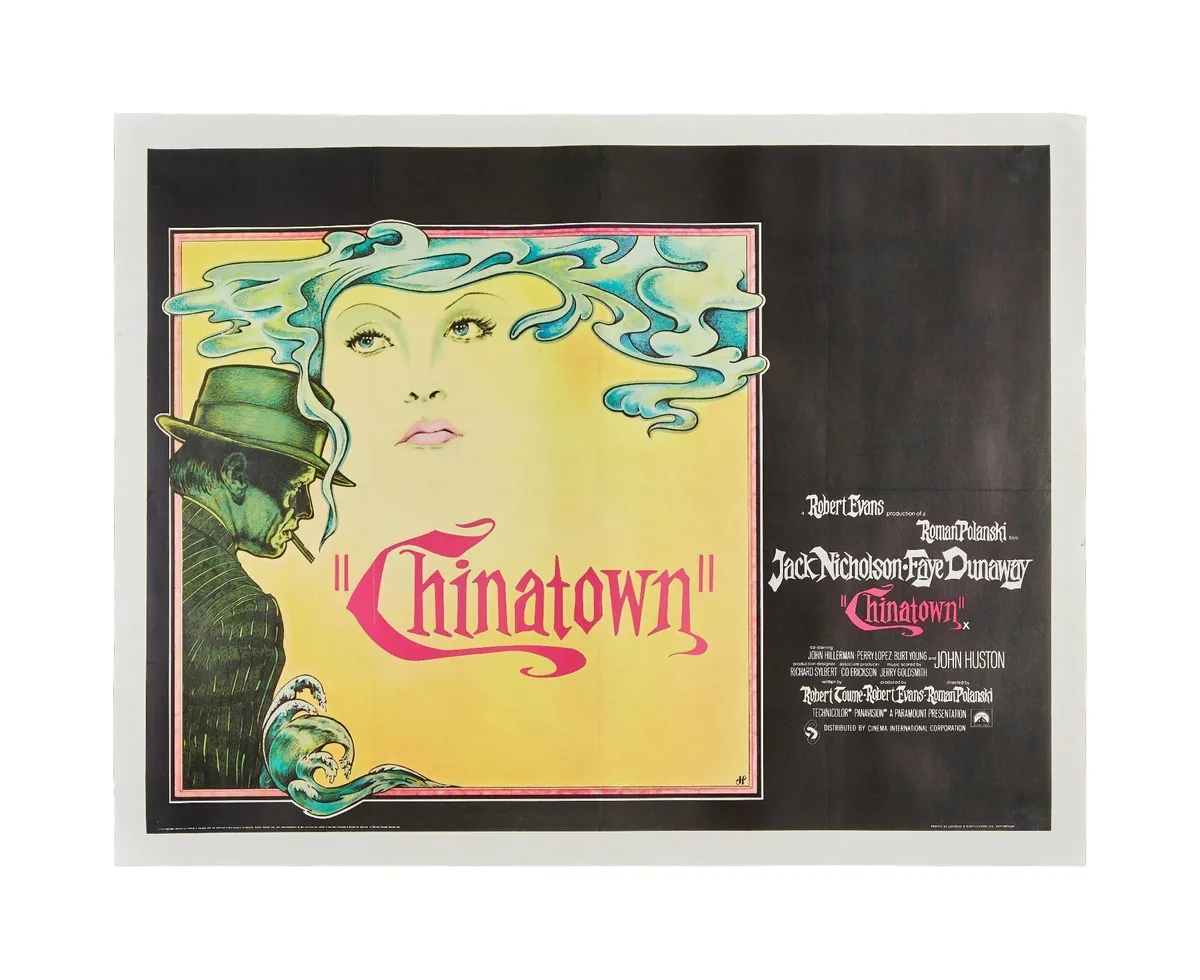
Roman Polanski's 1974 masterpiece, Chinatown, is more than just a film; it's a masterclass in neo-noir storytelling. Set in the deceptive sunshine of pre-World War II Los Angeles, the film follows private eye Jake Gittes (Jack Nicholson) as he's hired by a beautiful socialite to investigate her husband's alleged affair. What begins as a seemingly routine case quickly unravels into a labyrinth of corruption, incest, and murder that reaches the highest echelons of power. The film's cynical tone, complex plot, and unforgettable ending have cemented its status as a quintessential example of the genre. Nicholson's performance is iconic, embodying the weary, morally compromised detective trope, while Faye Dunaway as Evelyn Mulwray is enigmatic and captivating. The screenplay by Robert Towne is a work of art, weaving a narrative so intricate that each viewing reveals new layers of deceit.
Why it's worth watching: Chinatown is often cited as one of the greatest films ever made, and for good reason. Its intricate plot, stunning cinematography, and powerful performances create an immersive and unforgettable experience. It's a film that expertly captures the darkness lurking beneath a seemingly idyllic surface, a hallmark of the noir genre.
Interesting fact: The famous line 'Forget it, Jake. It's Chinatown' was not originally in Robert Towne's script. It was added spontaneously during filming by actor Joe Mantell, and its bleak, definitive conclusion perfectly encapsulates the film's overarching sense of despair and corruption.
The Big Sleep (1946)
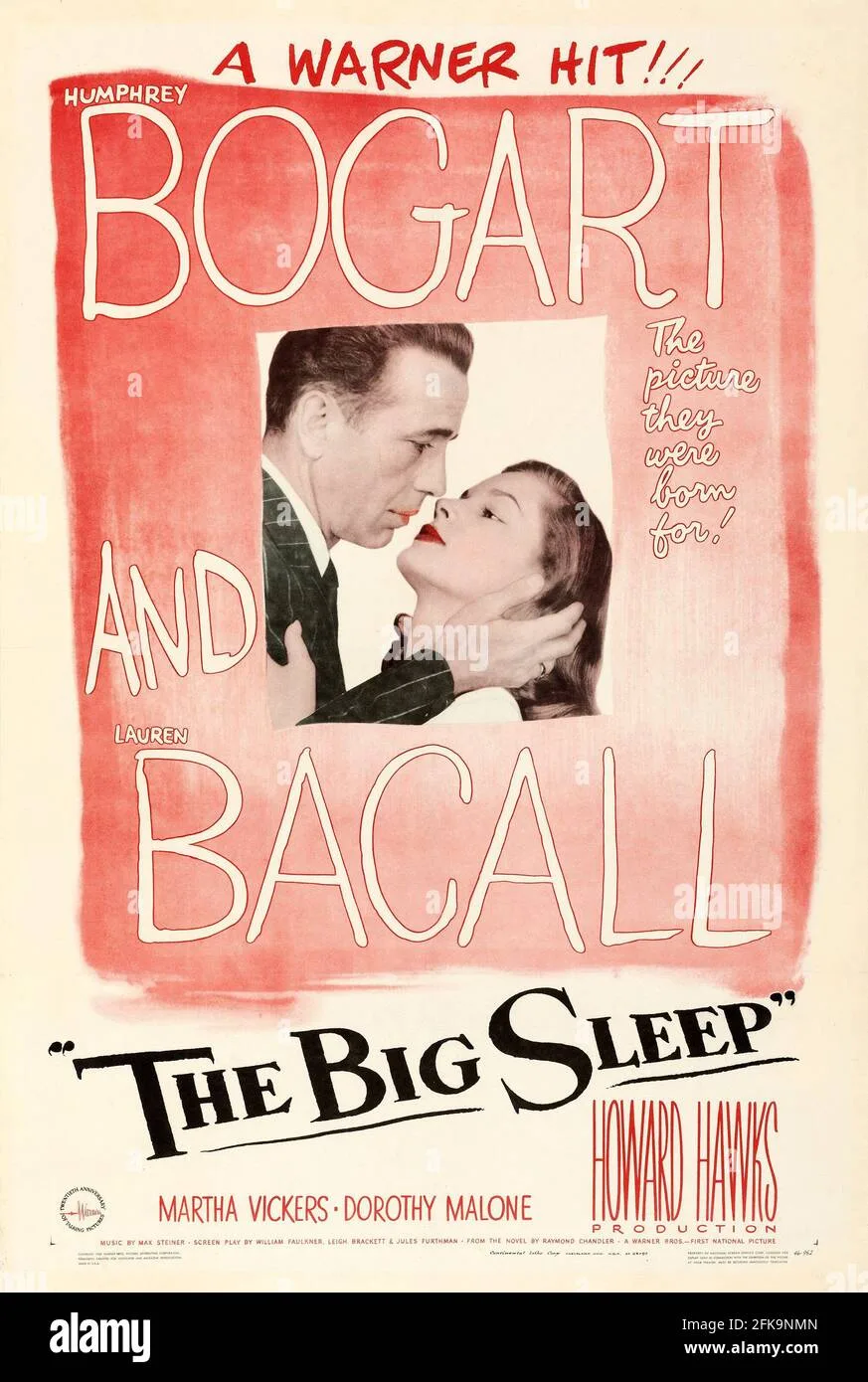
Before Chinatown painted its bleak picture of Los Angeles, Howard Hawks' The Big Sleep set the standard for complex noir narratives in 1946. Based on Raymond Chandler's novel, the film features Humphrey Bogart as the iconic private investigator Philip Marlowe. Hired by the wealthy General Sternwood, Marlowe finds himself entangled in a web of blackmail, murder, and family secrets involving Sternwood's daughters. The plot is famously convoluted, with multiple overlapping storylines that can leave even the most attentive viewer disoriented. However, it's precisely this complexity, coupled with Bogart's world-weary charm and Lauren Bacall's smoldering presence, that makes the film so enduringly captivating. Marlowe navigates a dangerous underworld, encountering a gallery of unforgettable characters, each with their own secrets.
Why it's worth watching: The Big Sleep is the quintessential hard-boiled detective film. Bogart is magnetic as Marlowe, and the film's witty dialogue, dark atmosphere, and intricate mystery make it a cornerstone of the genre that influenced countless films to come.
Interesting fact: The film's plot is notoriously difficult to follow, even for its stars and director. Raymond Chandler himself reportedly sent a lengthy memo to the studio detailing the complexities and character relationships, admitting that even he wasn't entirely sure of all the plot points.
Sleuth (1972)

Joseph L. Mankiewicz's 1972 film Sleuth offers a more contained, yet equally intense, battle of wits. The story centers on Andrew Wyke (Laurence Olivier), a wealthy and eccentric man who invites his wife's lover, Milo Tindle (Michael Caine), to his isolated mansion for a game. What begins as a psychological power play escalates into a dangerous game of manipulation and deception, blurring the lines between reality and performance. Olivier and Caine deliver powerhouse performances, engaging in a captivating duel that keeps the audience guessing. The film's clever script, which plays with themes of class, love, and obsession, makes it a unique entry in the neo-noir canon, highlighting the intellectual and emotional stakes of a deadly game.
Why it's worth watching: The film is a masterclass in acting and dialogue. The intense, claustrophobic atmosphere and the brilliant back-and-forth between Olivier and Caine make for a thrilling and intellectually stimulating experience. It's a sophisticated thriller that prioritizes psychological tension over action.
Interesting fact: The film was shot almost entirely on location in Andrew Wyke's opulent mansion, adding to the sense of isolation and psychological intensity. The elaborate and somewhat bizarre decor of the mansion itself becomes a character in the film, reflecting Wyke's eccentric personality.
Modern Twists on Noir Themes
Zodiac (2007)

David Fincher's 2007 epic, Zodiac, is a chillingly realistic portrayal of a decade-long obsession with an elusive serial killer. The film chronicles the investigation into the Zodiac Killer, who terrorized Northern California in the late 1960s and early 1970s. We follow a cartoonist, a reporter, and a detective as they become consumed by the case, their lives irrevocably altered by the hunt. Fincher meticulously reconstructs the era, capturing the frustration and the growing obsession of those involved. The film eschews typical genre tropes, focusing instead on the procedural details and the psychological toll of an unsolved mystery. The impressive ensemble cast, including Jake Gyllenhaal, Mark Ruffalo, and Robert Downey Jr., brings a palpable sense of desperation and dedication to their roles.
Why it's worth watching: Zodiac is a masterfully crafted procedural that immerses you in the painstaking details of a real-life investigation. Its authentic portrayal of obsession and the frustrating nature of unsolved crimes is both captivating and haunting.
Interesting fact: The film's meticulous attention to detail extended to the recreation of the newspaper offices and police departments of the era. Many of the props and set designs were based on actual artifacts from the period, adding to the film's authenticity.
Forgotten (2017)

From South Korea, Forgotten (2017) delivers a mind-bending neo-noir experience that will keep you guessing until the very end. Jin-seok, a young man with a history of schizophrenia, moves into a new home with his family. One night, his older brother is abducted, only to return 19 days later with no memory of his ordeal and behaving like a stranger. As Jin-seok investigates his brother's disappearance, he uncovers a conspiracy far more sinister than he could have imagined. The film expertly blends elements of psychological thriller and mystery, with stunning twists that redefine your understanding of the narrative. The atmosphere is thick with suspense, and the performances are compelling, drawing you deep into Jin-seok's disorienting reality.
Why it's worth watching: This film is a masterclass in misdirection and suspense. Just when you think you have it figured out, Forgotten pulls the rug out from under you with shocking and well-earned plot twists. It's a truly unforgettable thriller.
Interesting fact: The film's director, Jang Hang-jun, spent years developing the script, drawing inspiration from real-life events and classic noir elements to create its unique blend of mystery and psychological horror.
The Batman (2022)

Matt Reeves' The Batman (2022) injects a heavy dose of gritty neo-noir into the iconic superhero mythology. Set in Bruce Wayne's second year of crime-fighting, the film presents a Gotham City drowning in corruption and despair. Batman, portrayed with brooding intensity by Robert Pattinson, uncovers a deep-seated conspiracy that connects to his own family while hunting the elusive and sadistic serial killer known as the Riddler. This is a detective story at its core, with Batman embracing his role as the World's Greatest Detective. The film's dark, rain-slicked aesthetic, palpable sense of dread, and focus on investigation over spectacle make it a standout in the genre. The supporting cast, including Zoë Kravitz as Catwoman and Paul Dano as the Riddler, are equally compelling.
Why it's worth watching: The Batman offers a refreshingly grounded and noir-infused take on the Caped Crusader. Its compelling detective narrative, atmospheric direction, and stellar performances make it a must-see for fans of both superhero films and dark, suspenseful thrillers.
Interesting fact: The film's visual style was heavily influenced by classic noir films and comic books like 'Year One.' The production design aimed to create a Gotham that felt both timeless and oppressively real, a character in itself.
Perfect Stranger (2007)
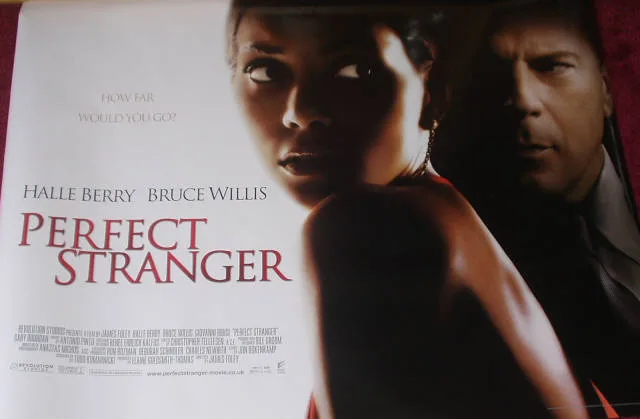
Halle Berry and Bruce Willis star in Perfect Stranger (2007), a contemporary thriller that explores the dark side of online relationships and deception. Journalist Rowena Price (Berry) goes undercover to investigate the death of her best friend, believing that wealthy businessman Harrison Hill (Willis) is responsible. Posing as a temp, she enters into an elaborate game of online cat-and-mouse with Hill, using the anonymity of the internet to uncover the truth. The film delves into themes of identity, trust, and the consequences of manipulating others in the digital age. While its TMDB rating might be modest, its exploration of modern noir elements makes it an interesting, albeit flawed, addition to the genre.
Why it's worth watching: For its contemporary take on noir, exploring how technology can be used for both connection and manipulation. It's a cautionary tale about the blurred lines between online personas and real-life consequences.
Interesting fact: The film was one of the early thrillers to heavily feature the then-emerging world of online dating and virtual identities, reflecting a growing unease about privacy and deception in the digital realm.
Under the Radar Gems and Unique Approaches
Cure (1997)
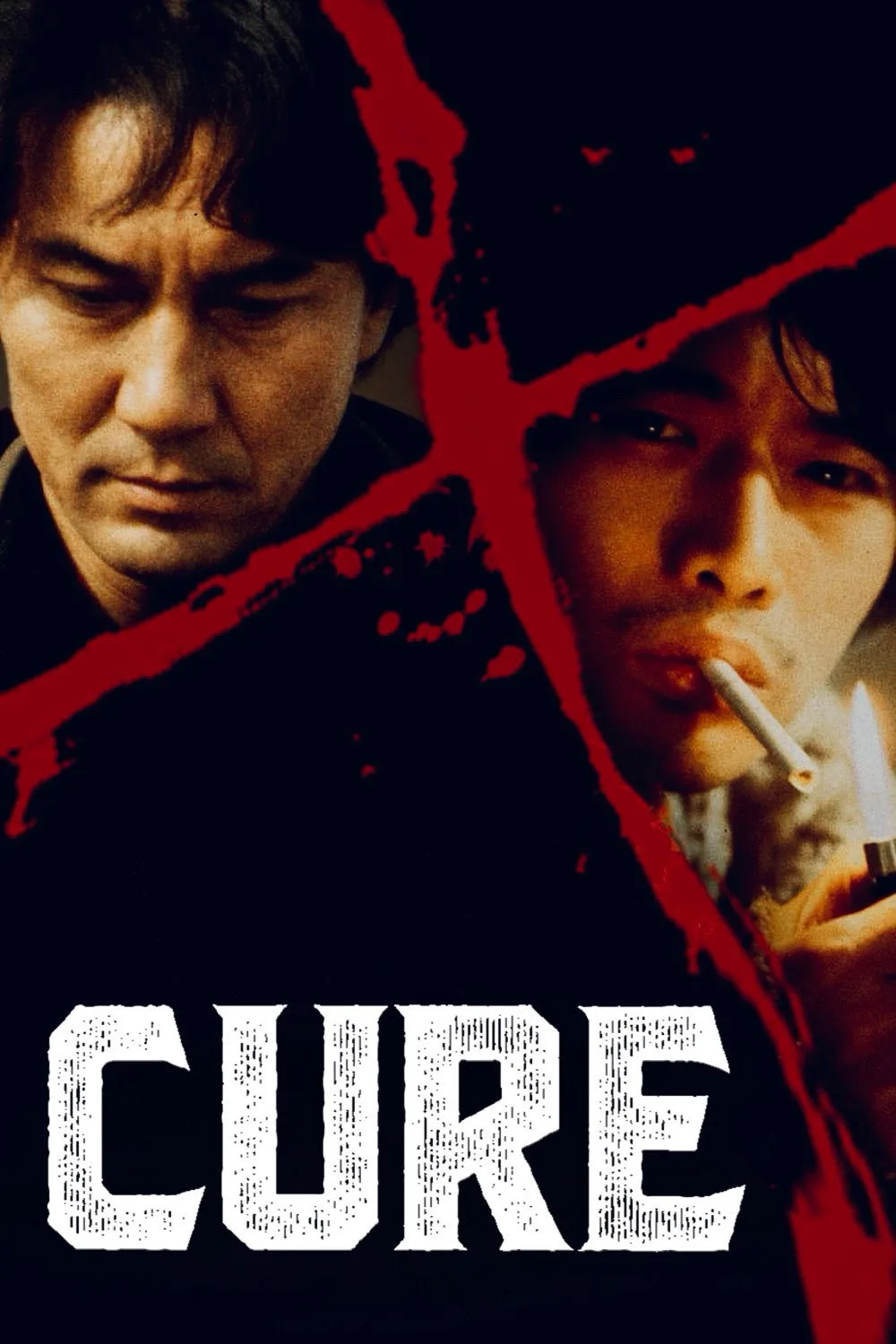
Kiyoshi Kurosawa's 1997 masterpiece, Cure, is a deeply unsettling and philosophical dive into the nature of crime and human psychology. A detective, Kenichi Takabe, finds himself spiraling as he investigates a series of gruesome murders with bizarre, ritualistic elements. Each victim is killed by a different perpetrator who, despite having no prior connection to the victim or to each other, all confess immediately. The common link seems to be a mysterious stranger who possesses a hypnotic ability to manipulate others. Cure eschews jump scares for a pervasive sense of dread and existential unease, making it a truly unique and haunting cinematic experience. The film's deliberate pacing and ambiguous narrative contribute to its chilling effect.
Why it's worth watching: Cure is a masterclass in atmospheric horror and psychological dread. Its unsettling exploration of hypnosis, suggestion, and the darkness within human nature makes it a profoundly disturbing and unforgettable film.
Interesting fact: The film's slow-burn tension and ambiguous ending have led to numerous interpretations, with many critics highlighting its examination of societal malaise and the fragility of identity in modern Japan.
Hold the Dark (2018)

Jeremy Saulnier's 2018 film Hold the Dark plunges viewers into the harsh, unforgiving landscape of rural Alaska. When a young boy is taken by wolves, his mother enlists the help of a naturalist, Russell Core (Jeffrey Wright), to track them down. However, Core soon finds himself embroiled in a far more dangerous and mysterious conflict involving the boy's vengeful father and the isolated community. The film is steeped in a palpable sense of grimness and brutal reality. Wright delivers a powerful performance as a man thrust into a violent and morally complex situation. The bleak Alaskan setting is not just a backdrop but an active participant in the unfolding tragedy, amplifying the film's sense of isolation and despair.
Why it's worth watching: Hold the Dark offers a raw and brutal take on vengeance and desperation, set against a stunningly bleak Alaskan backdrop. Jeffrey Wright's performance is a highlight, anchoring the film's dark narrative.
Interesting fact: The film was shot on location in Alaska, with Saulnier aiming to capture the authentic and often brutal beauty of the wilderness. The harsh environment plays a significant role in the film's atmosphere of isolation and primal danger.
Shimmer Lake (2017)

Director Oren Uziel's Shimmer Lake (2017) presents a unique narrative structure: it's told in reverse, day by day, over the course of a week. This innovative approach allows the audience to piece together a bank heist gone wrong, as a local sheriff, Stu (Rainn Wilson), finds himself investigating the tangled affairs of three small-town criminals, one of whom is his ex-wife. The non-linear storytelling adds a layer of intrigue, forcing viewers to actively engage with the plot and re-evaluate events as new information is revealed. Despite its clever structure, the film is at its core a character-driven mystery with elements of betrayal and unintended consequences.
Why it's worth watching: The reverse-chronology narrative is a fascinating device that adds a compelling layer to the unfolding mystery, challenging the viewer to reconstruct the events. It's a fresh take on familiar crime tropes.
Interesting fact: The entire film is shot in black and white, a stylistic choice that enhances the noir atmosphere and draws a strong visual parallel to classic black-and-white crime films.
Dark Places (2015)

Based on Gillian Flynn's novel, Dark Places (2015) delves into the lingering trauma of a horrific crime. Libby Day (Charlize Theron) was a child survivor of a brutal massacre that claimed the lives of her mother and sisters. Years later, she is forced to confront the past when a mysterious group believes her troubled brother, who is in prison for the murders, is innocent. Libby starts her own investigation, peeling back layers of memory and deception to uncover the truth of that fateful night. Charlize Theron gives a powerful performance as a woman haunted by her past, and the film effectively captures the bleakness and psychological weight of the events.
Why it's worth watching: Charlize Theron's compelling performance anchors this dark tale of repressed memory and family secrets. It's a gritty and atmospheric mystery that explores the lasting impact of trauma.
Interesting fact: The film's tone and themes align closely with other dark, psychological thrillers based on contemporary crime novels, offering a modern sensibility to classic noir questions of guilt and innocence.
Continuing the Legacy
The allure of the neo-noir genre lies in its ability to explore the darkest corners of the human psyche and society, often through the lens of compelling mysteries and morally complex characters. From the rain-slicked streets of classic Hollywood to the digital shadows of contemporary thrillers, these films continue to captivate audiences with their suspense, their atmosphere, and their unflinching look at the complexities of life. Whether you're drawn to the intricate puzzles of detective stories or the psychological depth of flawed protagonists, this selection offers a gateway into worlds where shadows hold secrets and the truth is rarely simple. So, dim the lights, settle in, and prepare to be drawn into the captivating abyss of neo-noir.